How to Prevent Ice Dams on Your Roof During Winter
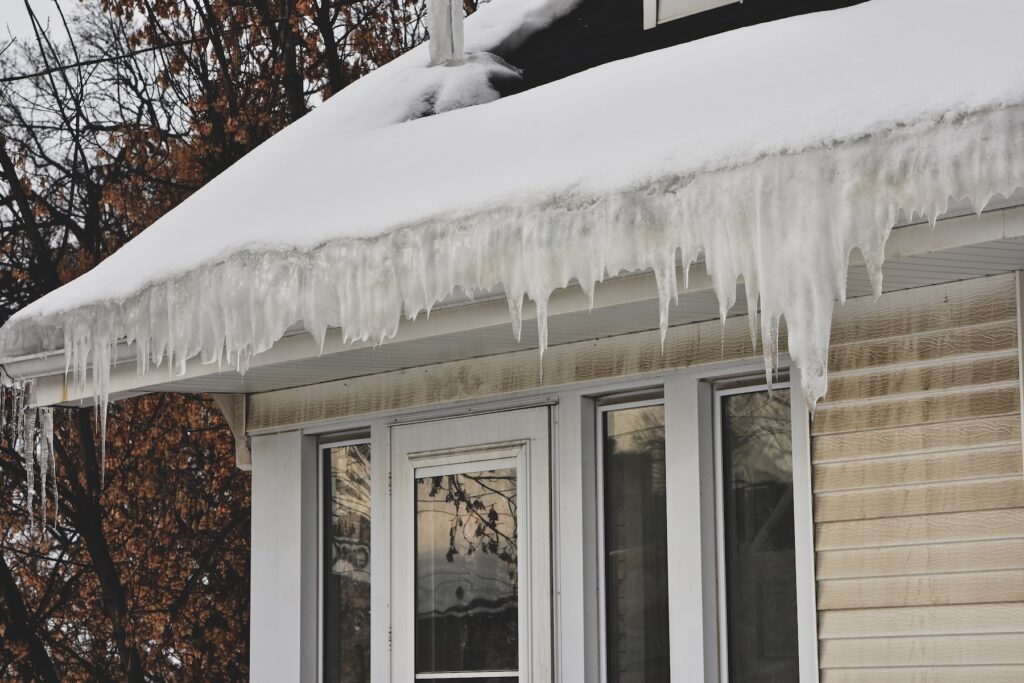
Winter in Minneapolis, MN, brings beautiful snowfall, but it also creates one of the most common roofing problems homeowners face—ice dams. Ice dams form when melting snow refreezes along the edges of the roof, creating thick ridges of ice that prevent proper drainage. As additional snow melts, water becomes trapped behind the ice dam and can seep beneath shingles, causing leaks inside the home. Over time, this trapped Check this moisture may damage ceilings, insulation, walls, flooring, and even the structural framework of the house. Ice dams can also pull gutters away from the roof and increase the risk of mold growth due to excess moisture. Fortunately, most ice dams can be prevented with proper roof maintenance, attic insulation, and ventilation. Understanding why ice dams form and how to stop them before they develop helps homeowners protect their roofs, avoid costly repairs, and maintain a comfortable home throughout Minnesota’s harsh winter season.
The primary cause of ice dams is uneven roof temperatures. Heat escaping from the living areas of the home warms portions of the roof, causing snow to melt even when outdoor temperatures remain below freezing. As the melted water flows toward the colder roof edges, it freezes again, gradually forming a thick barrier of ice. This cycle continues throughout the winter, allowing more water to accumulate behind the ice dam. Poor attic insulation is one of the main reasons heat escapes through the roof. When insulation is inadequate, warm indoor air rises into the attic and transfers heat to the roof surface. Homeowners should ensure that attic insulation meets recommended levels for Minnesota’s climate to minimize heat loss. Proper insulation keeps indoor heat inside the living space while maintaining a colder roof surface, reducing the likelihood of snow melting unevenly.
Attic ventilation is equally important for preventing ice dams. Even with good insulation, poor airflow inside the attic can allow warm air to accumulate beneath the roof deck. A properly ventilated attic continuously circulates outside air through intake and exhaust vents, helping maintain a consistent roof temperature across the entire surface. Ridge vents, soffit vents, and gable vents all work together to improve airflow and prevent hot spots that contribute to snow melting. Roofing professionals often recommend evaluating both insulation and ventilation during annual roof inspections because these systems work together to protect the roof during winter. Homeowners should also seal air leaks around attic access doors, recessed lighting, plumbing vents, and electrical openings to further reduce the amount of warm air entering the attic. Improving attic efficiency not only helps prevent ice dams but also reduces heating costs and increases overall home energy efficiency.
Regular roof maintenance before winter begins also plays a significant role in preventing ice dams. Cleaning gutters and downspouts allows melting snow to drain freely away from the roof. Leaves, twigs, and other debris can block drainage paths, causing water to back up and freeze more easily along the roof edge. Homeowners should also trim overhanging tree branches to reduce the amount of leaves and debris accumulating on the roof throughout the year. After heavy snowfalls, removing excessive snow from the roof with a roof rake can reduce the amount of snow available to melt and refreeze. However, homeowners should always remove snow from the ground using a roof rake and never climb onto icy roofs, as slippery conditions can be extremely dangerous. For homes that experience frequent ice dam problems, professional roofing contractors may recommend installing heated roof cables or upgrading insulation and ventilation systems for long-term protection.
Modern roofing materials and proper installation techniques also help reduce the risk of ice dam damage. During roof replacement projects, experienced roofing contractors often install ice and water shield membranes beneath shingles along roof edges, valleys, and other vulnerable areas. These waterproof barriers provide additional protection by preventing melting water from reaching the roof decking if ice dams do form. High-quality flashing around chimneys, skylights, roof vents, and valleys further reduces the likelihood of water entering the home. Choosing durable roofing materials designed for cold climates also improves resistance to moisture and freezing temperatures. Professional installation is essential because improperly installed roofing components may create weak points where water can penetrate. Homeowners planning a roof replacement should discuss ice dam prevention features with their roofing contractor to ensure the new roof provides maximum protection against Minnesota’s winter weather.
Preventing ice dams requires a combination of proper insulation, effective attic ventilation, regular maintenance, and professional roofing practices. By addressing these areas before winter arrives, homeowners can significantly reduce the risk of roof leaks, water damage, mold growth, and expensive repairs. Annual roof inspections allow roofing professionals to identify potential issues before they become major problems, ensuring the roof is fully prepared for the cold season ahead. Investing in preventive maintenance is always more affordable than repairing extensive damage caused by ice dams. Whether your home has a new roof or an older roofing system, taking proactive steps each year helps extend its lifespan and improve overall performance. By understanding how ice dams form and implementing effective prevention strategies, Minneapolis homeowners can enjoy a safer, more energy-efficient home while protecting one of their most valuable investments throughout every winter season.

Comments
Post a Comment